EN

News
Thermal Transfer Overprinters (TTO): A Comprehensive Guide from Working Principle to Selection
In production lines for food, pharmaceuticals, and personal care, the clarity of production dates, batch codes, and traceability QR codes directly affects product compliance and brand reputation. The Thermal Transfer Overprinter (TTO), with its high resolution, real-time variable-data printing, and excellent compatibility with flexible films, has become a mainstream coding solution on automated packaging lines. However, when faced with the diverse range of models on the market—from pneumatic to electric, from intermittent to continuous—understanding the technical logic and making an appropriate choice still requires returning to the core mechanisms of the equipment itself.
1. What Is a Th
ermal Transfer Overprinter?
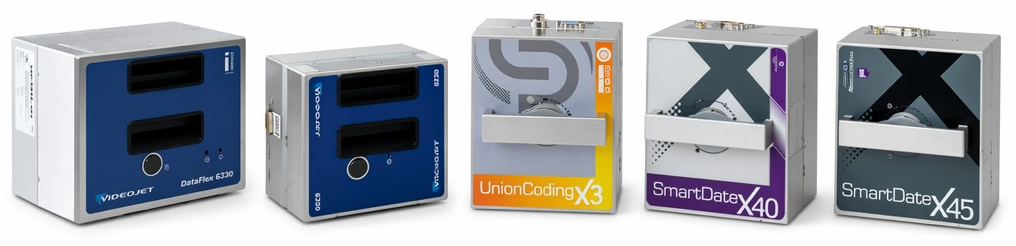
A thermal transfer overprinter is a contact-type digital printing device designed specifically for printing variable information onto flexible packaging films, labels, or aluminum foil. Its essential difference from traditional hot-stamp coders lies in "digitalization": the printed content is no longer dependent on fixed brass type molds but is generated in real time by a control system, which transfers ink from a ribbon onto the substrate surface by heating the printhead. This means that when changing batch numbers, adjusting date formats, or inserting QR codes, operators simply modify parameters on the touchscreen without stopping the line to change hardware.
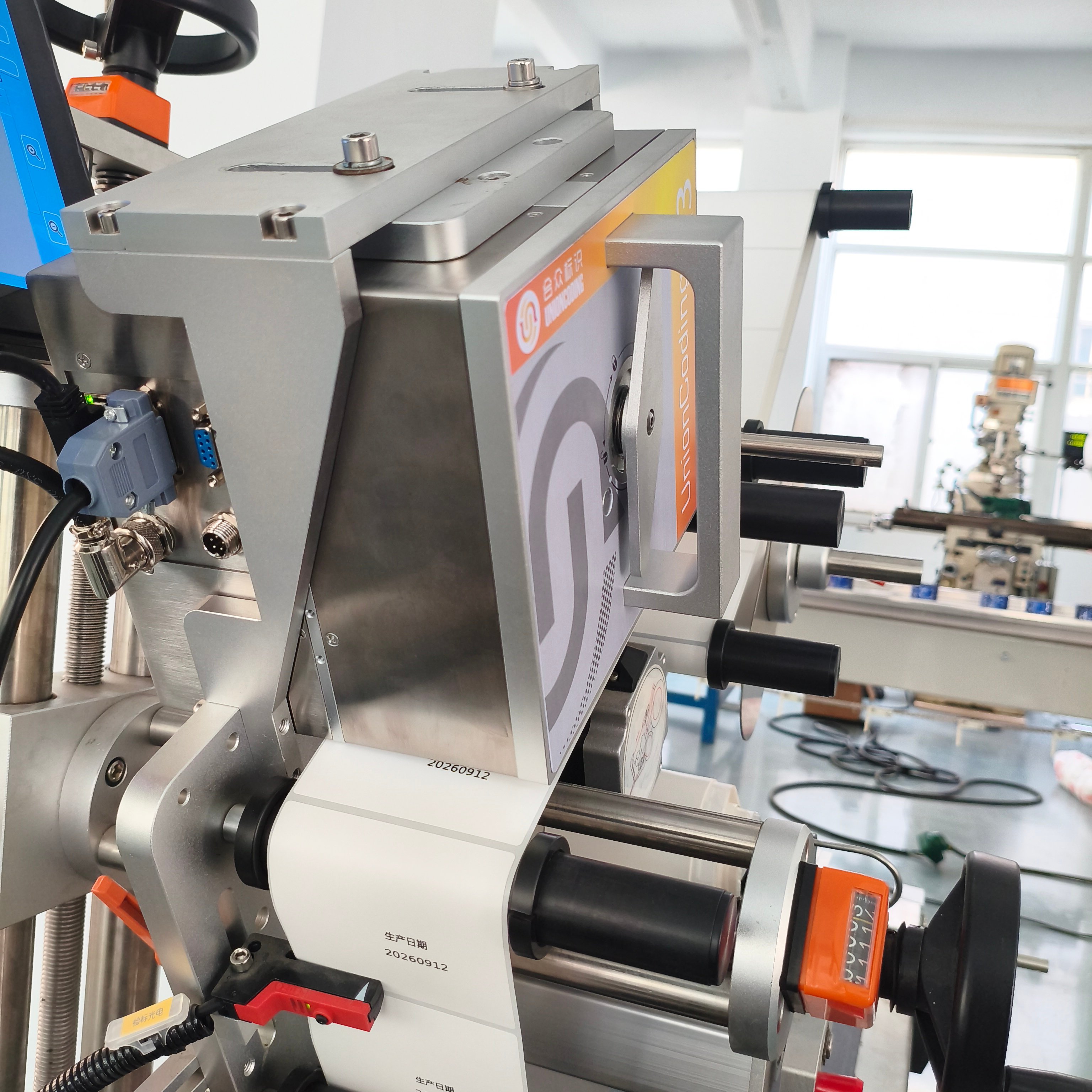
Structurally, a typical TTO consists of a printhead, a ribbon drive system, a controller, and communication interfaces. The printhead is the core component, typically integrating 8 to 12 heating elements per millimeter (corresponding to 200 to 300 dpi resolution). These microscopic resistors heat up instantaneously under program control, melting the ink layer on the ribbon and pressing it onto the film.
2. Working Principle: The Divide Between Intermittent and Continuous
The physical process of thermal transfer appears simple—heat, melt, transfer—but the actual operating logic splits into two technical paths depending on the type of packaging machine.
On intermittent vertical form-fill-seal (VFFS) machines, the film is stationary at the moment of printing. The printhead carriage moves along the stationary film surface, and the heating elements are energized point by point according to the carriage's travel speed, thereby "drawing" characters onto the stationary substrate. This mode offers relatively direct control of print accuracy, with carriage stepping and heating timing strictly synchronized.
On continuous packaging lines, the film is always running at high speed. Here the printhead is fixed, and the energization duration of the heating elements is determined by the matching relationship between ribbon speed and film linear speed, typically relying on real-time encoder feedback to dynamically adjust. Continuous models can print at speeds ranging from tens of meters to hundreds of meters per minute, suitable for high-speed pillow-pack or cast-film lines.
The two modes are not mutually exclusive. Current mainstream industrial models often integrate intermittent and continuous functions into one unit, allowing users to switch according to the packaging machine type, enhancing equipment reusability.
3. Core Advantages: Why Flexible Packaging Lines Prefer TTO
Compared with other coding technologies, thermal transfer's advantages in flexible packaging scenarios are concentrated at three levels.
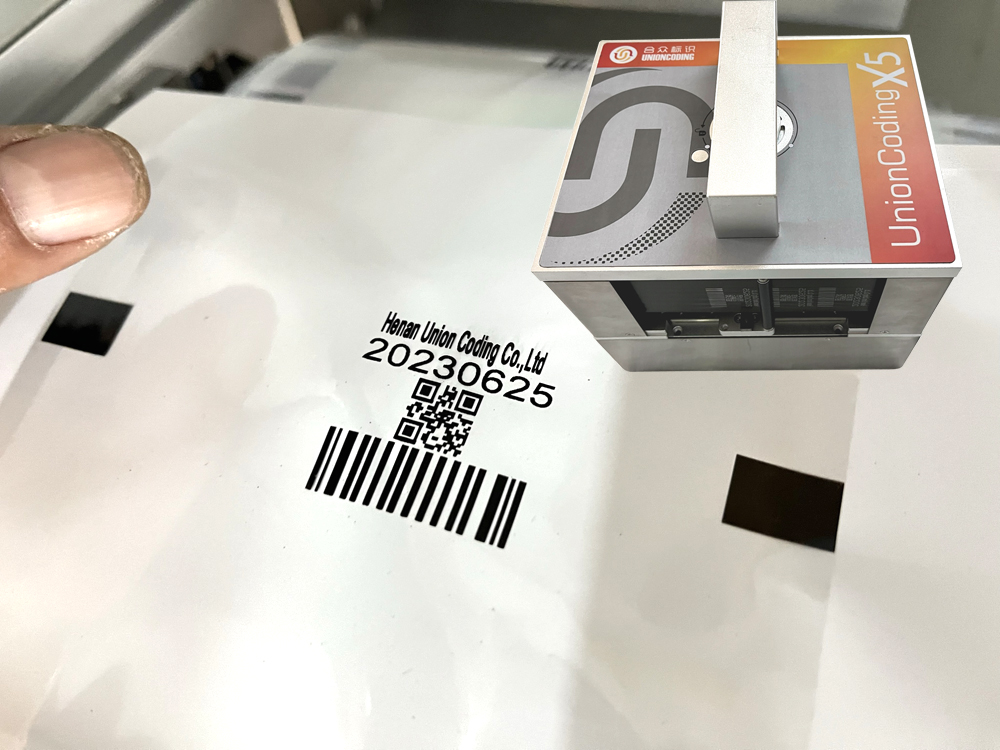
Print quality and content freedom. A resolution of 300 dpi is sufficient to clearly render characters as small as 2 mm, high-density QR codes, and multi-line traceability information. Because it is digital dot-matrix imaging, barcode grade ratings are typically superior to inkjet coding, with less risk of smudging or broken lines. This is particularly critical for pharmaceutical UDI codes or food GS1 barcode compliance requirements.
Material compatibility. The ink layer of thermal transfer bonds with the film surface through heat and pressure, achieving good adhesion on PE, PP, PET, aluminum foil, and various composite films. Compared with the poor adhesion or bleeding that solvent-based inks may exhibit on smooth films, thermal transfer markings offer better rub resistance and low-temperature resistance, making them more suitable for cold-chain products or products with long shelf lives.
Overall operating cost. Although TTO's initial investment is higher than traditional hot-stamp coders, its ribbon consumption can be optimized through "ribbon-saving" modes. Technologies such as interlaced printing, radial saving, and ribbon retraction can compress ribbon intervals to within 0.5 mm, significantly extending the service life of a single ribbon roll. In addition, digital changeover produces almost no downtime; for flexible production with multiple specifications and small batches, the savings in hidden costs are considerable.
4. Key Selection Dimensions: Beyond the Spec Sheet
When purchasing a TTO, comparing print width and speed alone is insufficient. The following three dimensions often determine the equipment's performance on the actual production line.
Drive method: pneumatic or electric. Traditional TTOs rely on compressed air to drive the printhead downward, imposing an additional burden on workshops without a centralized air supply system. Electric TTOs use electromagnetic drive, eliminating the need for an air compressor. This not only reduces piping deployment costs but also avoids the dust dispersion risk that airflow disturbance poses to lightweight packaging contents such as powders and pharmaceuticals. For cleanrooms or embedded pharmaceutical blister/sachet machine applications, the electric solution is almost mandatory.
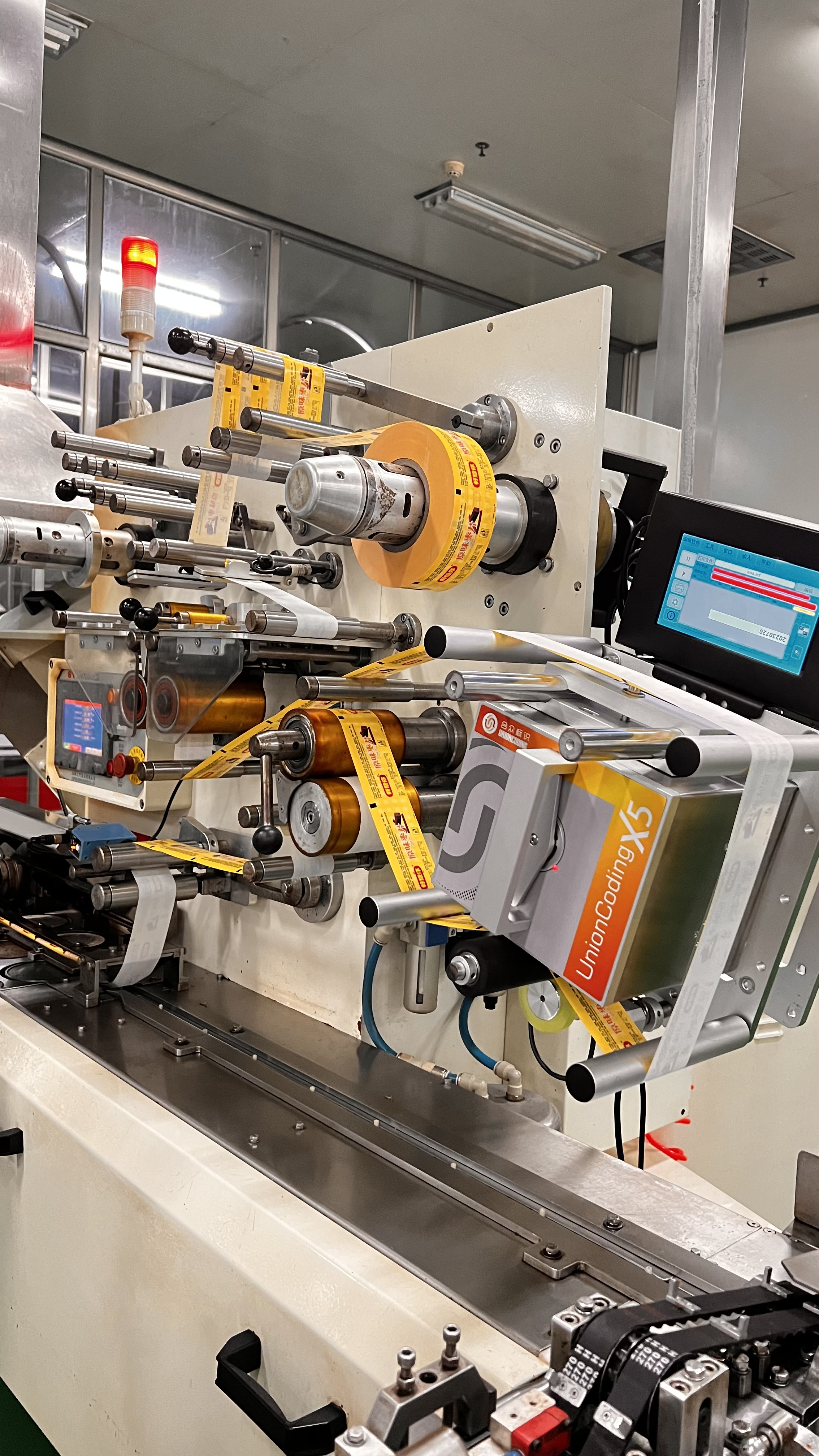
Integration adaptability. A TTO rarely works independently; it needs to precisely synchronize with the film running rhythm of the packaging machine. Whether the trigger method is flexible (supporting electromagnetic induction, synchronizer, photoelectric sensor, and other signals) directly determines the ease of installation and commissioning. In addition, whether left-hand/right-hand switching requires extra accessories and whether the controller footprint is compact should all be considered during the production line space planning stage.
Ribbon and consumables system. Whether the ribbon width range covers the existing packaging film web width, whether mixed-base and resin-based ribbons are supported for different materials, and whether ribbon replacement is convenient (e.g., cassette-style ribbon boxes)—these details affect daily changeover efficiency and long-term consumable costs. For high-speed lines, large-capacity ribbons of 900 meters or more can reduce ribbon change frequency and extend continuous running time.
5. Typical Application Scenarios
Food flexible packaging is the largest application area for TTO. Whether it is stand-up pouches for puffed snacks, composite films for frozen foods, or small sachets for condiments, TTO can stably output production dates and batch codes during high-speed operation. Electric TTOs are particularly suited to powder products, avoiding compressed air blowing powder and contaminating the seal area.
Pharmaceuticals and medical devices have the strictest compliance requirements for markings. Markings formed by thermal transfer on polymer films and aluminum foil resist alcohol wiping and rubbing, meeting GMP requirements for batch number and expiry date clarity. Embedded electric TTOs can also be integrated directly inside pharmaceutical sachet packaging machines to complete real-time coding of single-dose pouches.
In personal care and household products, flexible packaging such as facial mask pouches, laundry detergent refill packs, and sample sachets also relies on thermal transfer to print expiry dates and traceability QR codes. The rub resistance of the markings ensures they do not blur due to minor scratches during transportation and shelf display.
Conclusion
The value of a thermal transfer overprinter lies not in "being able to code" but in its ability to continuously output clear, compliant, and variable data markings in a digital manner on high-speed flexible packaging lines. Understanding the working principle differences between intermittent and continuous, recognizing the practical impact of pneumatic versus electric drive on line integration, and evaluating the long-term ledger of ribbon systems and changeover efficiency are more helpful for making an appropriate equipment decision than simply comparing numbers on a spec sheet. When a packaging line shifts from single-variety to multi-specification flexible production, the changeover time and consumable costs saved by a properly matched TTO will often cover its purchase premium within a few years.